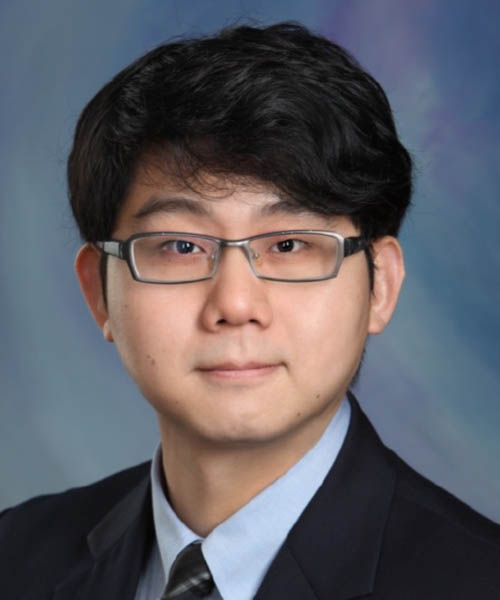
Jia Liu
Assistant Professor, School of Engineering and Applied Sciences, Harvard University
Agentic and Physical AI for Soft Bioelectronics Fabrication
In this talk, I will introduce agentic and physical AI for soft bioelectronics fabrication, a new paradigm that integrates autonomous AI agents and augmented-reality (AR)-guided fabrication to enable intelligent, scalable, and reproducible soft bioelectronics manufacturing. I will first present our development of scientific AI agents capable of autonomously analyzing complex multimodal datasets with strong generalization beyond conventional machine learning algorithms. Building upon this foundation, we created DeviceAgent—an autonomous multimodal AI framework that integrates large language models (LLMs), vision–language models (VLMs), and domain-specific computational tools for bioelectronics design and research. DeviceAgent demonstrates five core capabilities: (1) generating device layouts optimized for functional and material constraints; (2) composing fabrication protocols that adapt to specific materials, tools, and cleanroom environments; (3) performing visual defect inspection through VLM-based reasoning on microscopic images; (4) analyzing electrophysiological recordings from soft electronic interfaces; and (5) coordinating these capabilities through a multimodal context–memory system that enables reasoning across tasks, contextual adaptation, and human-in-the-loop oversight. I will then showcase the autonomous development of stretchable mesh electronics for interfacing with human iPSC-derived cardiomyocytes—an end-to-end demonstration combining nanofabrication, materials science, and electrophysiology within a single AI-driven workflow. Finally, I will introduce the integration of AI agents with AR-guided lithography as a Physical AI system that enhances precision, scalability, and reproducibility in soft bioelectronics fabrication.
Professor Liu received his PhD in Chemistry from Harvard University in 2014, after which he completed postdoctoral research at Stanford University from 2015-2018. He joined the faculty at the Harvard School of Engineering and Applied Sciences as an Assistant Professor in 2019. At Harvard University, Professor Liu’s lab focuses on the development of soft bioelectronics, cyborg engineering, genetic/genomic engineering, and computational tools for addressing questions in brain-machine interfaces, neuroscience, cardiac diseases, and developmental disorders.
Professor Liu has pioneered in bioelectronics where he developed new paradigms for soft electronic materials and nanoelectronics architectures for “tissue-like electronics”, as well as their applications for long-term stable brain-machine interface, high-density cardiac mapping, stem cell maturation, and multimodal spatial biology. He is also the cofounder and scientific advisor of Axoft, Inc., a brain-machine interface company.