Conference

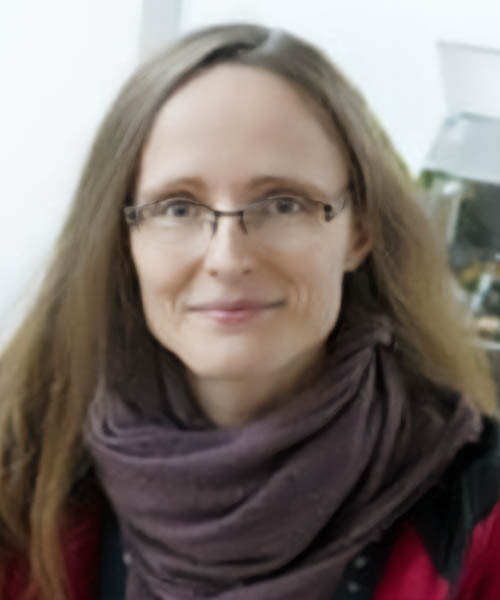
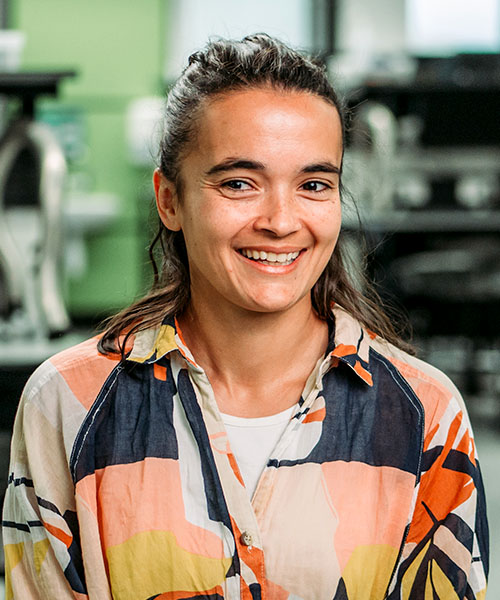
Katja Höflich

Head of the Joint Lab for Photonic Quantum Technologies, Ferdinand-Braun-Institut (FBH) in Berlin, Germany

So simple, yet so difficult – towards reliable FIB milling of variable surface topographies

Focused ion beam processing is ideal for the prototyping of high-fidelity 3D components, particularly for quantum applications. However, the actual identification of suitable beam and patterning parameters still relies on personal talent and experience. In my lab, we aim to removing these hurdles by implementing calibration-based and physics-informed pattern generation.

About Katja Höflich

Katja Höflich is head of the Joint Lab for Photonic Quantum Technologies at the Ferdinand-Braun-Institut (FBH) in Berlin, Germany. She received her PhD in natural sciences from Martin Luther University Halle, Germany, in 2011, focusing on the modeling and fabrication of plasmonic nanostructures. Her research interests lie in the design, nanofabrication, and characterization of integrated nano-optical and photonic components for enhanced light–matter interaction. These include chiral plasmonic devices and high-fidelity on-chip components for photonic quantum applications. As an expert in focused ion beam processing, she co-authored the Roadmap for Focused Ion Beam Technologies.

Katja Höflich
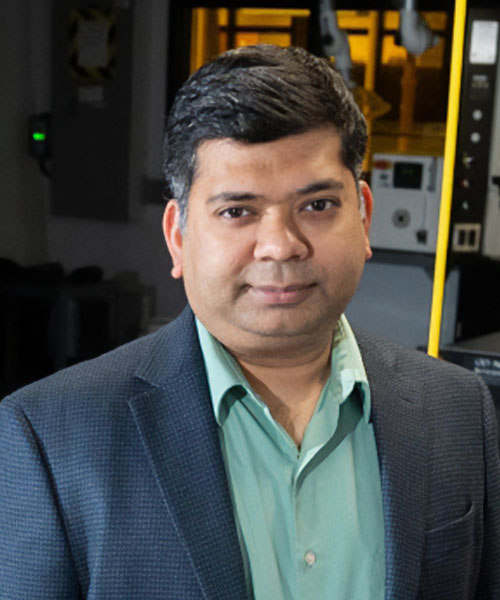
Julia W. P. Hsu

Julia W.P. Hsu

Texas Instruments Distinguished Chair in Nanoelectronics, Department of Materials Science and Engineering, University of Texas at Dallas
More About Speaker
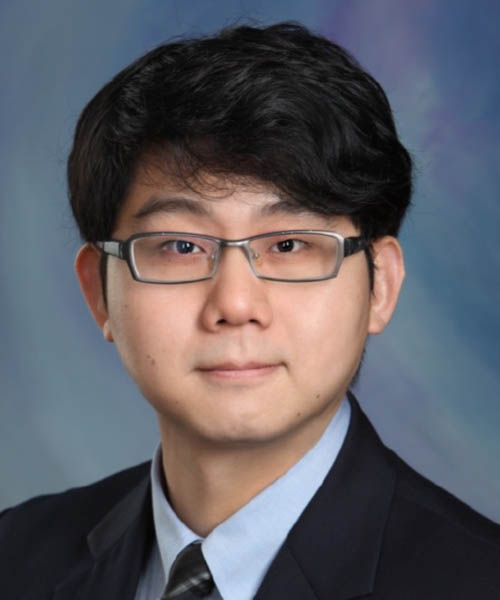
Mooseok Jang

Mooseok Jang

Department of Bio and Brain Engineering, Korea Advanced Institute of Science and Technology (KAIST), South Korea
More About Speaker
Ricardo Ruiz

Ricardo Ruiz

Staff Scientist at Lawrence Berkeley National Laboratory
More About Speaker
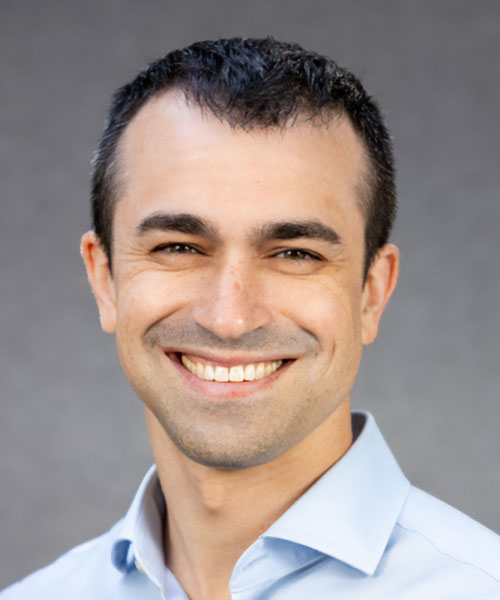
Dan Congreve

Dan Congreve

Electrical Engineering, Stanford University
More About Speaker
Scroll to Top
EIPBN
Privacy Overview

This website uses cookies so that we can provide you with the best user experience possible. Cookie information is stored in your browser and performs functions such as recognising you when you return to our website and helping our team to understand which sections of the website you find most interesting and useful.